
Vegan Agriculture
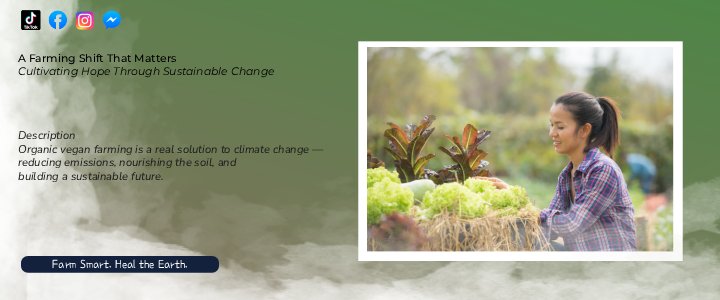
In recent years, conversations about sustainability and ethics in food production have evolved beyond animal welfare alone. At the heart of this shift is vegan agriculture, a growing movement that redefines how we think about farming. Instead of depending on animal byproducts like manure or bone meal, vegan agriculture focuses entirely on plant-based inputs and environmentally responsible practices.
But the ethical argument for vegan farming goes deeper than just being “animal-free.” It represents a holistic philosophy—one that connects compassion, ecological balance, and social responsibility. Let’s explore how vegan agriculture embodies vegan values and why it’s becoming a powerful model for a more just and sustainable food system.
What Is Vegan Agriculture?
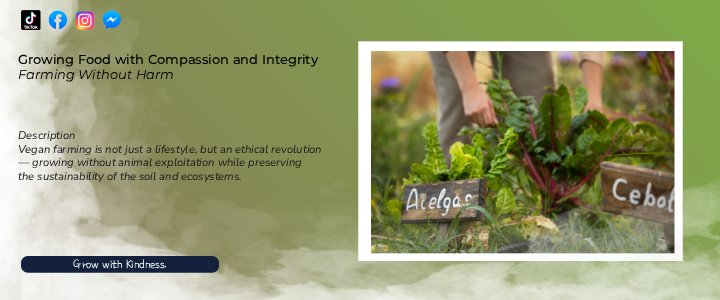
Vegan agriculture, often referred to as veganic farming, is a form of organic agriculture that avoids all forms of animal exploitation or byproducts. That means no manure, no blood or bone meal, and no use of livestock-derived fertilizers. Instead, it relies on:
- Plant-based compost (from crop residues and green manure)
- Mineral and microbial soil enrichers
- Crop rotation and cover crops to maintain fertility and prevent erosion
This approach aligns farming practices with vegan ethics by removing animals from the production chain—protecting both animal lives and the planet’s ecosystems.
The Ethical Foundations of Vegan Agriculture
The ethics of vegan agriculture stem from three main pillars: compassion, sustainability, and fairness.
Compassion for All Living Beings
Traditional farming—even organic—often relies on animal labor or manure, which ties food production to animal exploitation. Vegan agriculture breaks that link. By excluding animal use entirely, it promotes a more compassionate model that respects all sentient beings.
Sustainability and Climate Responsibility
Vegan farming minimizes emissions associated with livestock, reduces land degradation, and prevents water contamination. Livestock agriculture contributes significantly to methane and nitrous oxide emissions, while vegan systems focus on building healthy soil through natural, plant-based cycles.
Fairness and Food Justice
The vegan agricultural model supports equitable food systems by maximizing land efficiency. It encourages the production of food for direct human consumption, reducing the inefficiencies of feeding crops to livestock first. This shift could help address food insecurity and resource inequality globally.
In essence, vegan agriculture is not only about what we don’t use—it’s about creating a system that reflects fairness, empathy, and environmental awareness.
Benefits of Vegan Agriculture
Before diving deeper, let’s look at some of the most compelling benefits of this approach:
- Reduced Carbon Footprint
Without livestock or animal waste management, vegan farms emit significantly less greenhouse gas. - Healthier Soils and Ecosystems
Plant-based composts and cover crops enrich soil naturally and foster beneficial organisms without harmful runoff. - Greater Resource Efficiency
Less land and water are required when we remove animals from the agricultural equation. - Alignment with Vegan Values
For consumers and producers alike, this system ensures that food is grown in line with ethical and sustainable principles. - Long-Term Regeneration
By building soil fertility organically and promoting biodiversity, vegan agriculture supports long-term resilience and food security.
These advantages make vegan agriculture a cornerstone of ethical sustainability—combining ecological logic with moral integrity.
Comparing Conventional vs. Vegan Agriculture
Here’s a quick comparison of how vegan agriculture differs from traditional models:
| Aspect | Conventional / Animal-Based Farming | Vegan Agriculture |
|---|---|---|
| Use of Animal Inputs | Uses manure, blood, bone meal, fish emulsion | Entirely plant-based compost and minerals |
| Ethical Impact | Involves animal exploitation directly or indirectly | Aligns with vegan principles and compassion |
| Environmental Footprint | Higher GHG emissions and resource waste | Reduced emissions and higher sustainability |
| Soil Health | Can degrade soil over time | Regenerative and biodiversity-friendly |
Challenges and the Path Forward
While vegan agriculture holds immense potential, it’s not without challenges:
- Knowledge and Accessibility: Few farmers are trained in animal-free composting systems.
- Policy Support: Most agricultural subsidies still favor conventional or livestock-based farming.
- Scaling Up: Transitioning large-scale farms to vegan systems requires time and resources.
However, growing consumer interest in ethical and sustainable products is helping drive change. As awareness spreads, more farms and consumers are recognizing vegan agriculture as a forward-thinking solution.
Conclusion
Vegan agriculture represents a powerful fusion of ethics, sustainability, and innovation. It goes beyond animal welfare to address the deeper moral question of how humans coexist with the natural world.
By aligning farming methods with vegan values—non-violence, compassion, and ecological balance—we can cultivate not only healthier food but a healthier planet. In a world facing environmental and moral crossroads, vegan agriculture stands as a symbol of hope and responsibility for generations to come.