
In today’s fast-paced American lifestyle where deadlines, financial pressure, and constant digital noise collide it’s no surprise that mental health has become one of the most talked-about topics in the United States.
Yet despite rising awareness, many people still struggle quietly with emotional challenges like anxiety, depression, trauma, PTSD, and burnout symptoms. Recognizing the signs early and understanding your options can make a life-changing difference.
Whether you're exploring mental health for yourself or someone you care about, this guide will help you identify symptoms, learn coping strategies, and navigate available resources with clarity.
Understanding Common Mental Health Challenges
Many Americans experience emotional struggles but don’t realize how common—and treatable—they are. Below are some of the most recognized mental health concerns today.
Anxiety
Anxiety affects millions and often shows up as excessive worry, racing thoughts, restlessness, or physical symptoms like sweating or rapid heartbeat. When anxiety interferes with daily life, seeking support can make a dramatic difference.
Depression
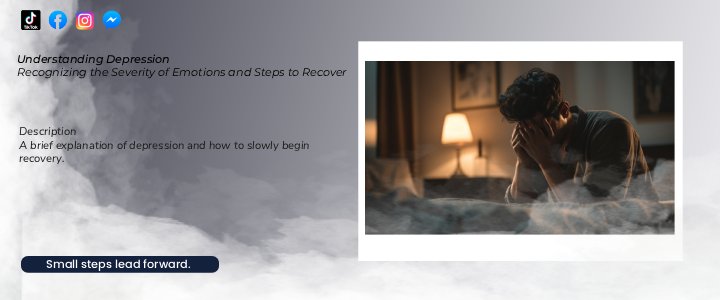
Depression often feels like a heaviness that doesn't go away. It may include sadness, loss of interest, fatigue, sleep problems, and difficulty concentrating. If these feelings last for more than two weeks, it may be time to reach out for help.
Stress Management
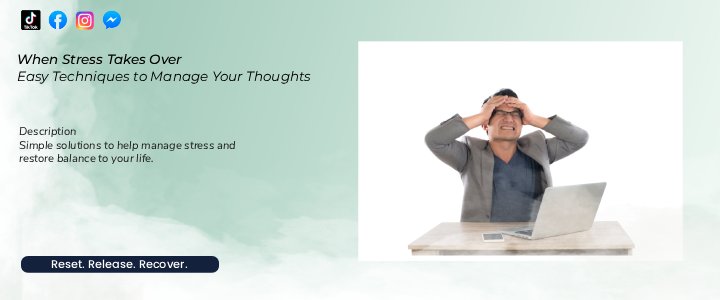
Stress is universal, especially with work demands, social pressure, and financial concerns. Effective stress management helps prevent long-term consequences like heart issues, mood swings, and insomnia.
Burnout Symptoms
Burnout is more than being tired—it’s emotional exhaustion, reduced motivation, difficulty focusing, and a loss of personal accomplishment. It’s especially common among caregivers, healthcare workers, corporate employees, and students.
Trauma & PTSD
Trauma can result from accidents, abuse, violence, or overwhelming life events. Post-Traumatic Stress Disorder (PTSD) involves intrusive memories, hypervigilance, sleep problems, and emotional detachment.
OCD Symptoms
Obsessive-Compulsive Disorder includes recurring intrusive thoughts and compulsive behaviors meant to reduce anxiety. Many people hide symptoms out of embarrassment, even though OCD is highly treatable.
Bipolar Disorder
Bipolar disorder causes intense mood shifts between depression and elevated moods (mania). Early diagnosis improves stability and long-term mental health outcomes.
What Is Mental Health?
Mental health refers to your emotional, psychological, and social well-being. It affects how you think, feel, and act, influences stress management, and impacts relationships and decision-making. Common mental health challenges include anxiety, depression, burnout symptoms, trauma, PTSD, OCD symptoms, and bipolar disorder. Improving mental health typically involves therapy, lifestyle changes, support systems, and medical care when needed.
This guide aligns with the realities many Americans face—work-related stress, healthcare considerations, financial pressure, and general day-to-day demands that affect emotional well-being.
Simple, Actionable Habits That Can Boost Your Mental Health
Improving your mental health doesn’t always require big changes, sometimes the smallest habits make the biggest impact. These practical strategies are easy to apply, fit naturally into your daily routine, and can help you feel more grounded, focused, and emotionally resilient.
Whether you're managing anxiety, burnout, or everyday stress, these habits offer a strong starting point for healthier emotional well-being.
Try These Easy, Science-Backed Techniques:
- Practice mindful breathing to calm your nervous system and reduce racing thoughts.
- Limit doomscrolling, especially before bed, to protect your sleep and emotional balance.
- Build social connections, even brief daily conversations, to boost happiness and reduce loneliness.
- Move your body with walking, stretching, or simple home workouts to release feel-good hormones.
- Set healthy boundaries, particularly with work and relationships, to protect your energy and mental clarity.
- Consider therapy, even if you’re not in crisis—professional support can help you grow, reflect, and stay grounded.
Creating positive mental health habits is a journey, not a one-time fix. By practicing even one of these steps consistently, you can build a stronger emotional foundation and make your daily life feel lighter, calmer, and more manageable. Small choices today can become powerful long-term changes that support a healthier you.
Helpful Mental-Health-Related Products Commonly Sold in U.S. Marketplaces
While products don’t replace professional help, they can support relaxation, stress relief, and emotional balance.
Here are popular items commonly found on Amazon, Target, and Walmart:
| Product Type | What It Helps With | Why Americans Buy It |
|---|---|---|
| Weighted Blankets | Anxiety, sleep issues | Deep pressure reduces stress |
| Light Therapy Lamps | Seasonal depression | Helps regulate mood in low sunlight |
| Aromatherapy Diffusers | Stress management | Lavender & chamomile promote calm |
| Journals (guided prompts) | OCD symptoms, anxiety | Improves focus and emotional clarity |
| Noise-canceling headphones | Burnout, overstimulation | Creates quiet, reduces sensory overload |
When It’s Time to Reach Out for Professional Support
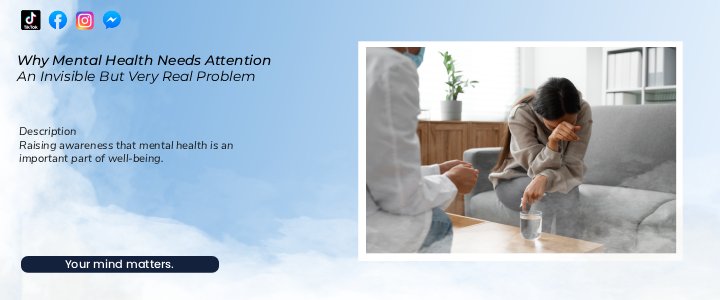
While lifestyle changes can significantly improve your mental health, there are moments when talking to a licensed professional can make all the difference. Therapists, counselors, and mental health specialists can help you understand what you’re going through, develop personalized strategies, and guide you toward long-lasting emotional stability. If you notice any of the signs below, it may be the right time to seek expert support.
You May Benefit From Professional Help If You’re Experiencing:
- Persistent sadness or hopelessness that lasts for weeks or interferes with your daily life
- Panic attacks or sudden waves of intense fear that feel overwhelming
- Chronic sleep problems, including insomnia, nightmares, or unrefreshing sleep
- Trouble managing responsibilities, whether at work, home, or school
- Intrusive thoughts that feel distressing or hard to control
- Mood swings or emotional instability, especially if they disrupt relationships
- Loss of interest in hobbies, activities, or people you once enjoyed
Seeking help is a powerful act of courage—not a sign of weakness. Reaching out to a mental health professional can offer clarity, comfort, and a clear path forward, reminding you that healing is absolutely within reach.
Prioritizing your mental health isn’t just about managing anxiety, depression, trauma, PTSD, OCD symptoms, or burnout — it’s about giving yourself permission to live a healthier, more meaningful life. Whether you choose therapy, self-care practices, or supportive tools, every step you take brings you closer to emotional balance and personal strength.
Remember, you don’t have to navigate your struggles alone. Help is available, healing is possible, and you deserve a life where clarity, peace, and resilience guide your days. If today feels heavy, let this be the moment you choose to reach out, reset, and take the first step toward a better tomorrow.
.jpg)