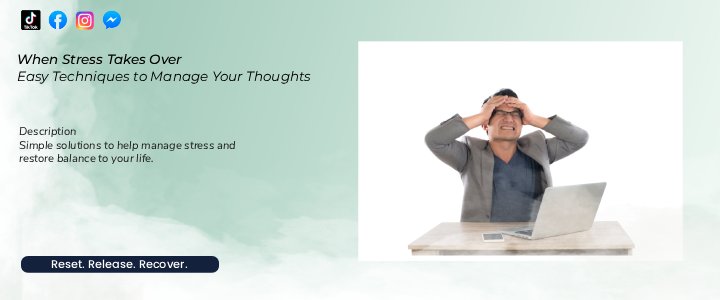

Why Stress Matters And Why You Should Care
Stress isn’t just an unpleasant feeling when life gets busy. Real, chronic stress can affect your body, your mood, your relationships and even your long-term health.
In America today, with its fast pace, high expectations, and constant demands, many people feel stress piling up each day. Recognizing stress early and learning how to manage it can protect your mental and physical well-being, helping you live a calmer, more balanced life.
What Is Stress And What Happens in Your Body
Stress is your body’s natural response to challenge or danger. In small, manageable doses, stress can even help motivate you.
But when stress lingers — from work pressure, financial worries, relationship issues, or overload — it becomes harmful. According to health experts, chronic stress can trigger:
- Constant feelings of fear, worry, irritability, or sadness
- Trouble sleeping, frequent headaches, stomach problems, or muscle tension
- Difficulty concentrating, decision-making, or low energy and motivation
Because stress affects both mind and body, managing it carefully is essential — not just for your mental peace, but your overall health.
Why Stress Is So Common in the U.S.
According to surveys and health studies:
- Many Americans report workplace pressure, financial worries, and social strain as top stress triggers.
- Work stress has been linked to increased rates of hypertension, heart disease, and other chronic conditions.
- Unhealthy coping strategies like excessive alcohol use, junk food, or screen overload — often accompany stress and make things worse over time.
Because modern life often brings overlapping stressors, many Americans find themselves stuck in a cycle of stress without knowing how to escape it.
Practical, Evidence-Backed Stress Management Strategies
The good news: you have more control over stress than you might think. Here are proven strategies (backed by U.S. health experts) to help you manage stress and restore balance.
Healthy Ways to Reduce Stress:
- Get moving: exercise, even light walking, triggers release of “feel-good” brain chemicals and helps clear your mind.
- Eat healthy & sleep well: balanced nutrition and regular sleep help regulate your body’s stress response.
- Practice mindfulness, breathing, or meditation: deep breathing and meditation calm your nervous system and reduce immediate stress reactions.
- Connect with friends, family, or community: social support offers comfort, distraction, and shared experience that lighten emotional load.
- Set boundaries and manage demands: learn to say “no,” delegate when possible, and avoid overloading yourself.
- Use positive self-talk and perspective shifts: changing negative thoughts to constructive ones reduces emotional stress at its source.
- Engage in enjoyable activities: hobbies, humor, music, or creative outlets help distract, relax, and recharge your mind.
Quick Stress-Relief Tips (For Busy Days)
If you’re pressed for time, these quick actions can help you reset when stress strikes:
- Take a few slow, deep breaths: even 30 seconds helps calm your nervous system.
- Go for a short walk: fresh air and movement can instantly improve your mood.
- Step away from screens: reduce digital overload and give your mind a break.
- Choose one small healthy action: drink water, snack on a fruit, stretch or stand up.
- Reach out to someone: even a quick text to a friend can ease feelings of isolation.
Why Managing stress matters long-term? Learning to manage stress isn’t just about surviving today — it’s about creating a sustainable, balanced lifestyle that supports your physical and mental wellness. According to U.S. health guidelines, consistent stress management lowers risk of chronic illness, improves mood, boosts energy, and helps you stay resilient in the face of life’s ups and downs.
By building healthy habits and recognizing your triggers early, you take back control — reducing the chance that stress becomes chronic and destructive.
Organizations like the Centers for Disease Control and Prevention (CDC) provide resources on stress, coping, and mental wellness.
Professionals, support groups, or community wellness programs can also offer guidance — especially if stress feels overwhelming or starts impacting your daily functioning.
You Don’t Have to Live Under Pressure
Stress is a natural part of modern life, but it doesn’t have to rule your days. With simple, consistent habits — movement, breathing, healthy boundaries, connection, and self-awareness, you can tame stress, protect your well-being, and reclaim peace. Start today. The path to a calmer, more balanced you begins with a single step.
.jpg)