
The Hidden Storm: What Anxiety Really Feels Like and How to Take Control
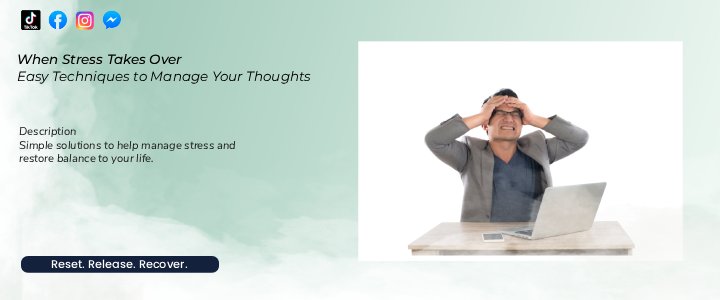
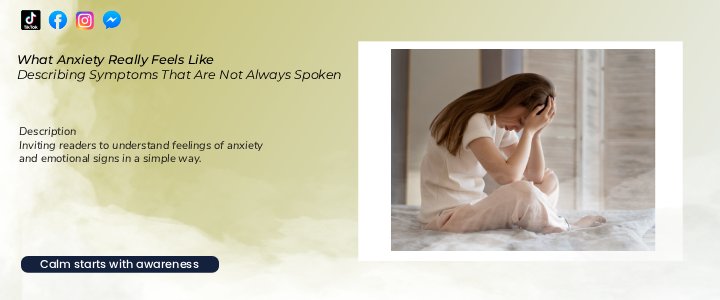
Anxiety has become one of the most common emotional struggles in America—yet it remains deeply misunderstood. Many people describe anxiety as a constant storm inside their mind: rapid thoughts, the feeling of being “on edge,” or a weight that never fully lifts. Whether you experience mild worry or intense panic, understanding anxiety is the first step toward regaining control of your life.
This guide breaks down what anxiety truly is, why it happens, how it affects your body, and what you can do—starting today—to manage it more effectively.
What Exactly Is Anxiety? (AEO-Optimized Explanation)
Anxiety is your body’s natural response to stress, danger, or uncertainty. While occasional anxiety is normal, persistent anxiety can disrupt your daily life, relationships, concentration, and overall well-being. Common forms include generalized anxiety, social anxiety, panic disorder, and specific phobias.
In simple terms: anxiety is your brain's alarm system working overtime—even when no real danger exists.
Common Symptoms of Anxiety
Anxiety can show up differently for everyone, but these symptoms are among the most recognized:
| Physical Symptoms | Mental/Emotional Symptoms |
|---|---|
| Racing heartbeat | Excessive worry or fear |
| Chest tightness | Feeling overwhelmed |
| Trembling or restlessness | Difficulty concentrating |
| Shortness of breath | Irritability or tension |
| Sweating | Intrusive thoughts |
If these symptoms interfere with your daily life, it may be a sign that your anxiety is more than just occasional stress.
Why Anxiety Happens: Understanding the Root Causes
Anxiety rarely appears out of nowhere. For many Americans, it’s often linked to a combination of life pressures, personal experiences, and physical factors.
Common causes include:
- Chronic stress, especially related to work, finances, or relationships
- Genetics, such as having family members with anxiety disorders
- Trauma or difficult life events
- Sleep deprivation, which intensifies emotional sensitivity
- Hormonal or chemical imbalances
- Social pressure, including workplace expectations or social media comparison
Understanding your triggers is key once you know what fuels your anxiety, you can start managing it more effectively.
Practical Ways to Manage Anxiety
Anxiety doesn’t disappear overnight, but consistent habits can significantly reduce its impact. These strategies are simple, science-backed, and easy to practice at home or work.
- Practice Deep, Controlled Breathing
Slow, intentional breathing sends a signal to your brain to relax. Try inhaling for 4 seconds, holding for 2, and exhaling for 6. - Limit Caffeine and Sugar
Both can heighten anxiety by increasing your heart rate and overstimulating your nervous system. - Move Your Body Daily
Walking, yoga, stretching, or short home workouts release endorphins—your body’s natural stress relievers. - Challenge Negative Thoughts
Ask yourself: Is this fear realistic? Am I overestimating the threat? This cognitive reframing helps your brain break the anxiety loop. - Reduce Digital Overload
Doomscrolling or consuming negative news late at night intensifies restlessness and fear. Try a “tech-off” hour before bed. - Build Consistent Sleep Routines
Good sleep strengthens emotional regulation and minimizes anxiety spikes. - Consider Professional Help
Therapists can teach coping strategies like CBT, grounding techniques, and long-term anxiety-management tools.
Helpful Anxiety-Relief Products Commonly Sold in U.S. Marketplaces
These items are popular for supporting relaxation and emotional balance. They don’t replace therapy—but many Americans find them helpful:
| Product Type | How It Helps |
|---|---|
| Weighted Blankets | Provides calming pressure that reduces anxiety |
| Aromatherapy Diffusers | Essential oils like lavender promote relaxation |
| Blue Light Glasses | Reduces eye strain and improves sleep quality |
| Fidget Tools / Stress Balls | Helps channel nervous energy |
| Sleep Sound Machines | Creates calming sleep environments |
When to Seek Professional Support
If anxiety starts controlling your daily life—affecting your work, relationships, sleep, or ability to enjoy things you once loved—it may be time to reach out for professional help. Psychologists, therapists, and counselors are trained to help you understand your anxiety and guide you toward long-term relief.
You are not alone—and reaching out is a sign of strength, not weakness.
.jpg)